Drive Belts (Flat Belts) – High-Speed Solution 2026
Powerful energy transmission - Smooth operation - Various thicknesses from 0.8mm to 6mm
Drive belts, also known as flat belts (Dây curoa dẹt), are a classic yet indispensable mechanical transmission solution in modern machinery. With their perfectly flat surface design, flat belts enable the transmission of energy between rotating shafts at extremely high speeds, meeting the most stringent requirements for precision and stability.
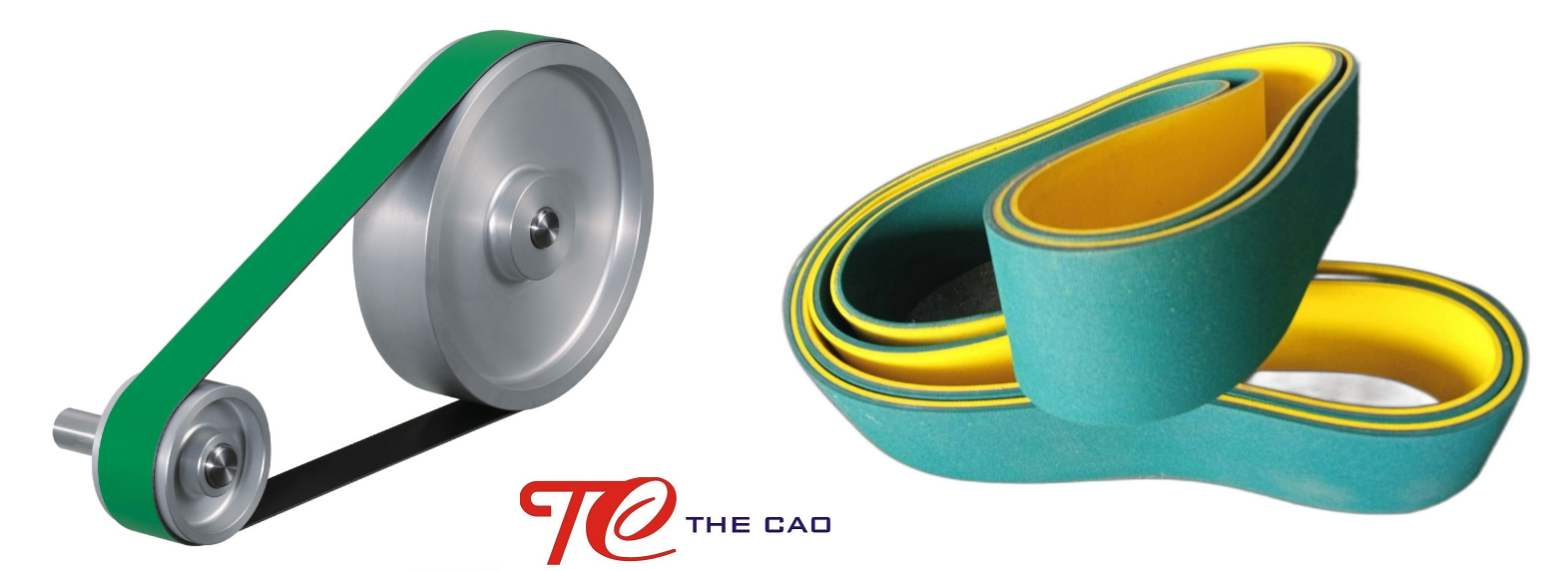
Breakthrough 3-Layer Super Durable Structure
1. Top Layer: Surface protection, typically using high-quality rubber, cowhide, or polyurethane, customized according to the machine's operating environment.
2. Middle Layer (Tensile Core): The "soul" of the belt, made from Polyamide (PA), Polyester, or Aramid fabric, enabling the belt to withstand maximum tensile force and resist stretching.
3. Bottom Layer (Friction Layer): In direct contact with the pulley, designed with a rough or smooth surface made of rubber/cowhide to optimize grip and reduce heat generation.
Transmission Performance Analysis
✅ Key Advantages
- Extremely high-speed and efficient power transmission.
- Good reverse bending capability, withstands continuous flexing.
- Ultra-smooth operation, minimizing machine vibration.
- Superior wear resistance and friction resistance.
⚠️ Technical Considerations
- The transmission ratio may be lower than toothed belts due to smooth pulley slippage.
- Belt tension must be checked, and regular maintenance performed to ensure longevity.
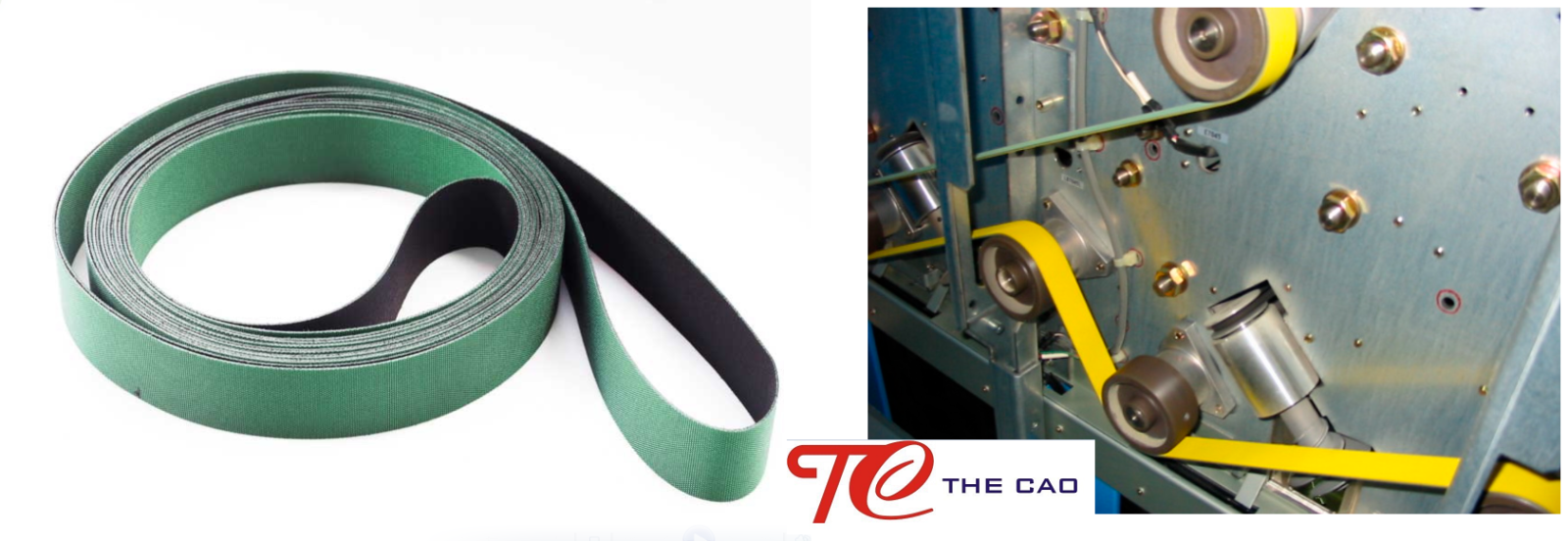
Wide Range of Applications
Flat belts are the optimal choice for machinery systems in:
🧶 Textile Industry (Carding machines, spinning machines) 📦 Packaging Industry (Paper winding machines, box gluing machines) 🪵 Woodworking Industry (Sawing machines, planing machines) 🖨️ Printing Industry (Offset presses, cutting machines)
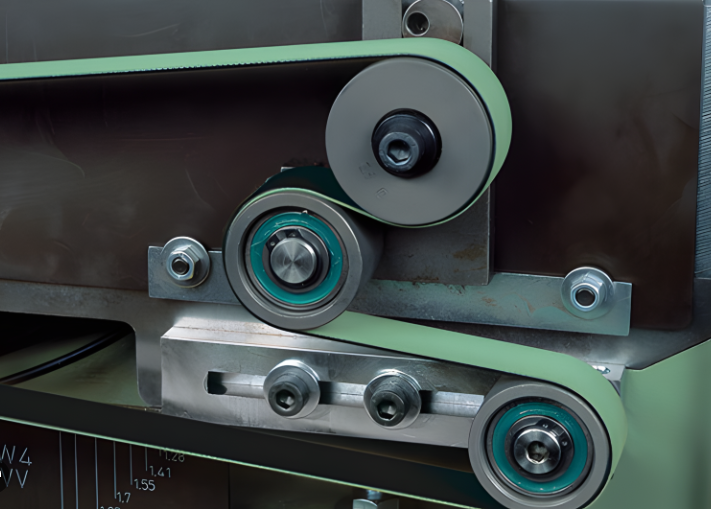
In-Depth Technical Consultation
Choosing the correct thickness (0.8mm - 6mm) and coating material is crucial for the longevity of your drive system.