

WOOD INDUSTRY CONVEYOR BELTS – OPTIMIZING PRODUCTIVITY IN WOOD MANUFACTURING
The Cao Conveyor Company has many years of experience in consulting and supplying various types of conveyor belts for the wood industry, facilitating the transportation of wood products through production, processing, and logistics. These conveyor belts enhance work efficiency, minimize labor, and ensure safety during production and transportation.
1. The Role of Conveyor Belts in the Wood Industry
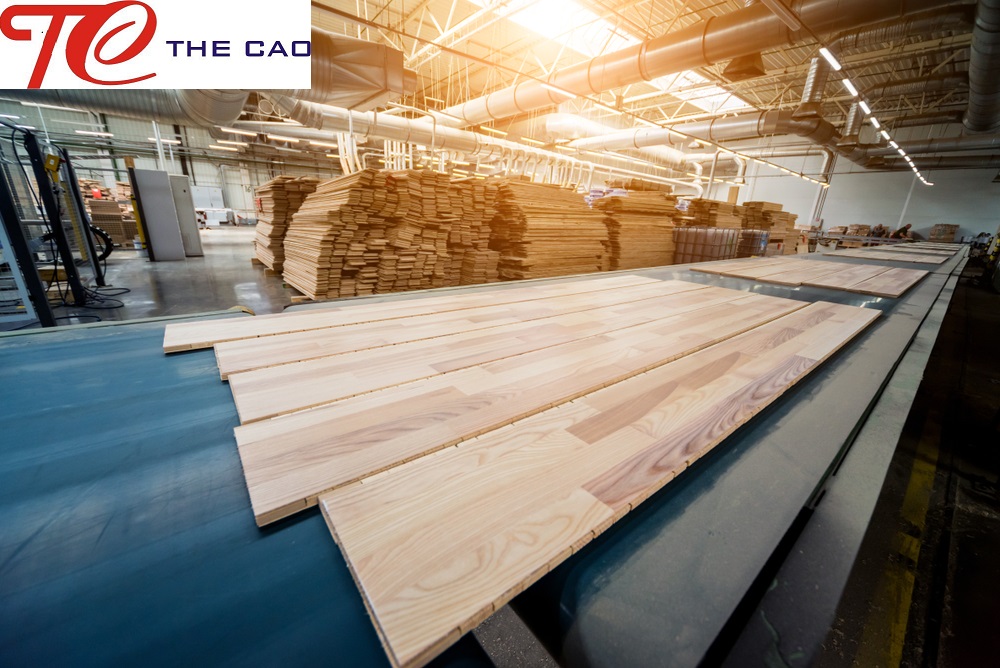
Conveyor belts are utilized throughout various stages of wood production, including:
-
Transporting raw timber from the warehouse to the production line.
-
Moving wood blanks through cutting, planing, and sanding machines.
-
Transferring products between painting, pressing, and finishing stages.
-
Moving finished products to the packaging and shipping area.
Consequently, the production process becomes continuous, reducing waiting times and minimizing errors associated with manual operations.
2. Common Types of Wood Conveyor Belts:
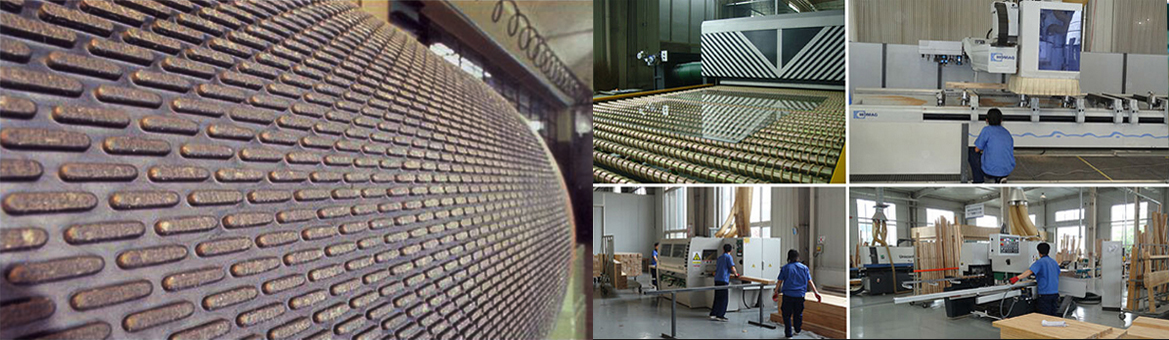
- Sanding Belts for Wood: Used in drum sanders in the wood processing industry, these belts efficiently transport and process wood surfaces. The belt surfaces come in various forms, such as abrasive grit, round, or checkered patterns, to enhance friction and ensure wood adhesion during sanding, with a thickness of 9mm.
- Rubber Conveyor Belts: This type of belt is commonly used for transporting wood chips, sawdust, or pellets. Rubber conveyor belts are abrasion-resistant and can be equipped with V-guides for inclined or sloped transport.
- PVC Cleated Conveyor Belts: These belts feature a PVC surface with cleat patterns spaced apart, 5mm thick, to increase friction and prevent goods from sliding during transport, especially on inclined conveyors.
3. Benefits of Using Conveyor Belts
The application of conveyor belts in the wood industry brings numerous practical benefits:
-
Increased Productivity: Continuous operation reduces transfer times.
-
Reduced Labor Costs: Less reliance on manual labor.
-
Ensured Safety: Minimizes the risk of accidents when handling heavy materials.
-
Optimized Workshop Space: Flexible design adaptable to plant layouts.
-
Improved Product Quality: Reduces impacts and scratches.
4. Technical Requirements for Wood Industry Conveyor Belts
Given the environment with significant dust and wood shavings, conveyor belts for the wood industry must meet the following requirements:
-
Good abrasion resistance.
-
Easy to clean and dust-resistant.
-
Stable load-bearing capacity and strength.
-
Durable and reliable long-term operation.
Looking for an optimal conveyor belt solution for your production facility?
Call us now: 0788388588
Email: phongkinhdoanh@thecaobelt.com
Website: thecaobelt.com
The Cao Conveyor Company – Accelerating Production, Elevating Efficiency!