

CONVEYOR BELTS FOR PRINTING - APPAREL MANUFACTURING OF CLOTHING AND FABRICS
In the apparel industry, speed and accuracy are two critical factors determining productivity and product quality. To meet large and continuous production demands, many businesses have adopted conveyor belt systems for printing and apparel manufacturing into their production lines to optimize processes and minimize reliance on manual labor.
1. Role of Conveyor Belts in the Apparel Industry
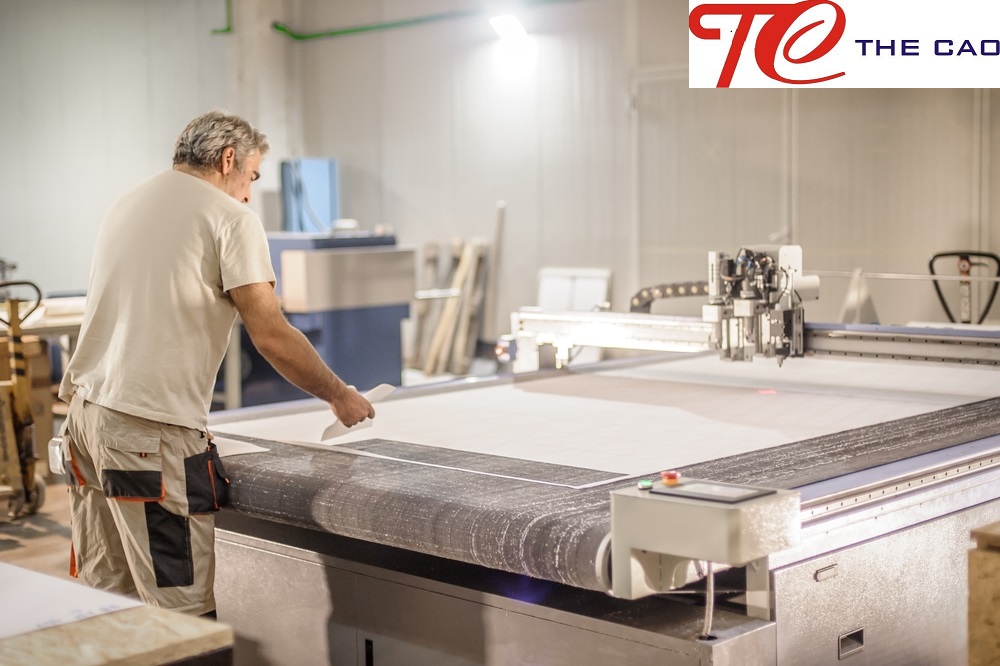
Conveyor belts for printing and apparel manufacturing are used in various stages of the clothing production process:
-
Transporting fabric from the cutting section to the sewing section.
-
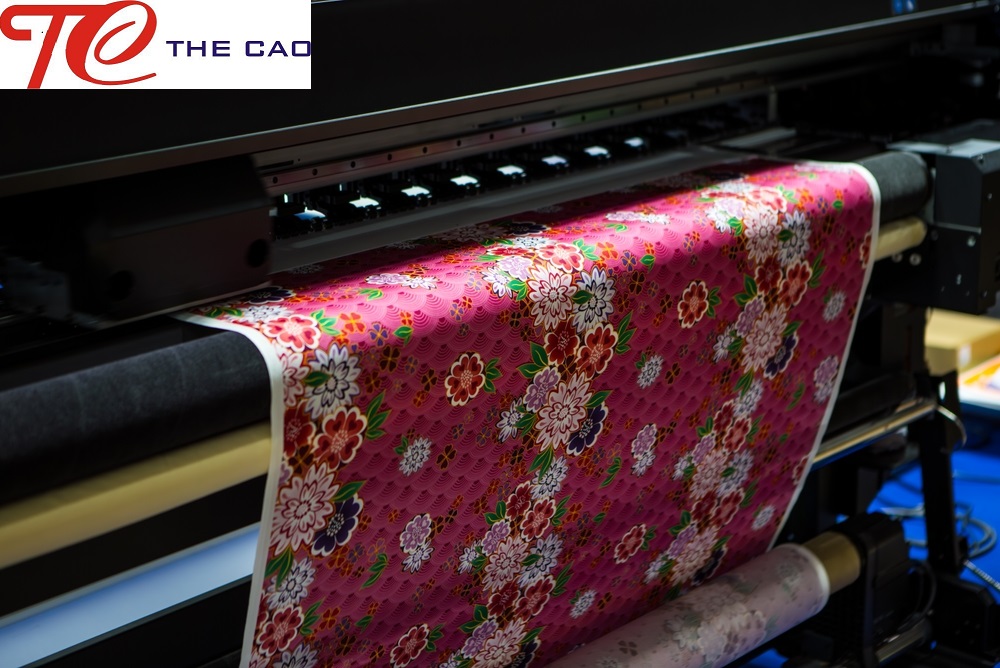
Moving fabric through pattern printing machines to create designs and patterns on the fabric.
-
Moving semi-finished products between sewing stages.
-
Transferring products to the Quality Control (QC) inspection area.
-
Transporting finished garments to the ironing, packaging, and shipping areas.
The use of conveyor belts ensures seamless integration between stages, reduces waiting times, and enhances worker efficiency.
2. Common Types of Conveyor Belts
In the apparel industry, commonly used conveyor belts include:
-
PVC Conveyor Belts: Suitable for lightweight products, with a smooth surface to prevent fabric from wrinkling or getting dirty.
-
PU Conveyor Belts: Used in metal detector machines to inspect garments for any residual metal contaminants such as sewing needles.
-
Pattern Printing Conveyor Belts: This is a specialized type of conveyor belt designed to support the process of printing colored patterns onto products, particularly in the printing, apparel, and manufacturing of items with printed designs such as t-shirts, fabrics, or packaging. In this context, "pattern printing" refers to applying floral motifs or decorative details onto the product surface.
-
Roller Conveyor Belts: Used in the packaging and carton transportation stages.
-
Overhead Conveyor Belts: A modern solution for hanging and moving garments, saving floor space.
-
Workstation Conveyor Belts: Combines conveyor functionality with a workbench for sewing operators.
3. Benefits of Implementing Conveyor Belts in the Printing and Apparel Industry
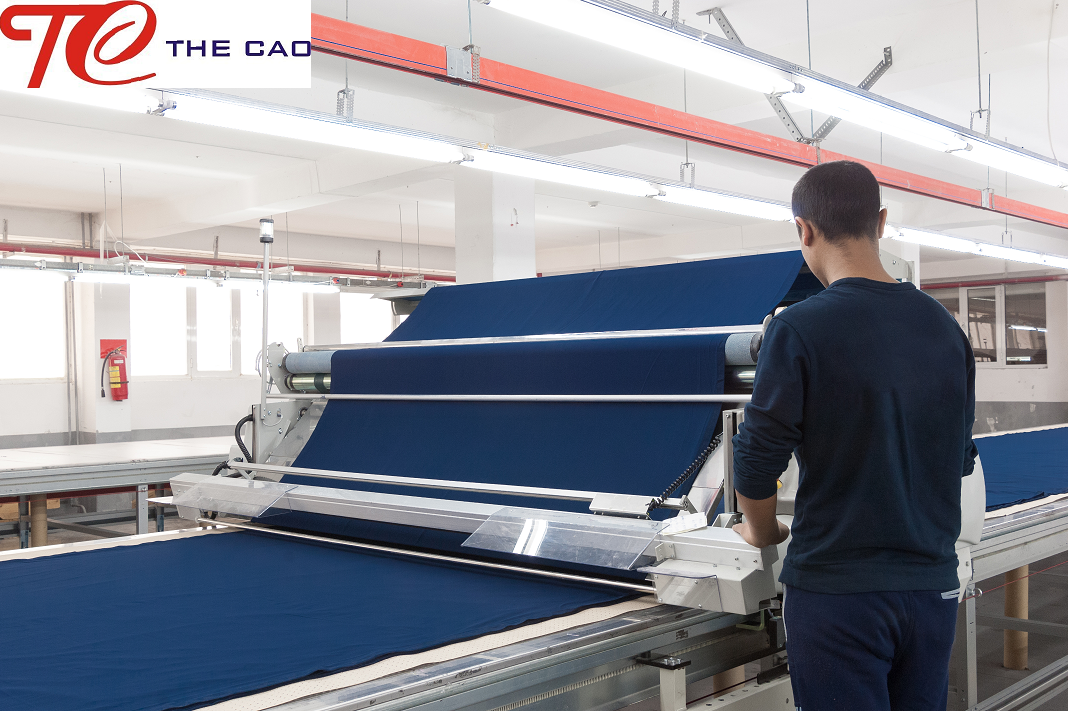
Conveyor belt systems for printing and apparel manufacturing offer significant benefits to garment businesses:
-
Increased Production Output: Reduces transportation time between stages.
-
Synchronized Production Line: Ensures smooth operation of all departments.
-
Reduced Labor Costs: Minimizes manual handling and movement.
-
Improved Product Quality: Prevents wrinkles, stains, loss of foreign objects, or damage during transportation.
-
Optimized Warehouse Space: Especially with overhead conveyor systems.
4. Technical Requirements
Due to the nature of fabric and apparel products, conveyor belts for the printing and apparel industry must meet the following criteria:
-
Soft surface, preventing scratches or stains.
-
Smooth operation, minimizing vibration.
-
Easy to clean, ensuring hygiene standards.
-
Flexible design, adaptable to different production lines.
Looking for an optimized conveyor belt solution for your apparel printing and manufacturing plant?
Call now: 0788388588
Email: phongkinhdoanh@thecaobelt.com
Website: thecaobelt.com
The Cao Belt Company – Accelerate production, elevate efficiency!