

In the operational landscape of modern industries, the smooth and efficient movement of conveyor belt systems plays a pivotal role. They are the lifeblood, the driving force that transports products and raw materials to their destinations, optimizing processes and enhancing productivity. Among a myriad of options, two prominent product lines consistently capture the attention of investors and engineers: PVC Conveyor Belts and PU Conveyor Belts. Each type possesses distinct characteristics, catering to different stringent requirements of the production environment. Understanding these differences is key to making informed decisions and building optimized and sustainable production lines.
PVC Conveyor Belts: Durability and Flexibility for Every Need
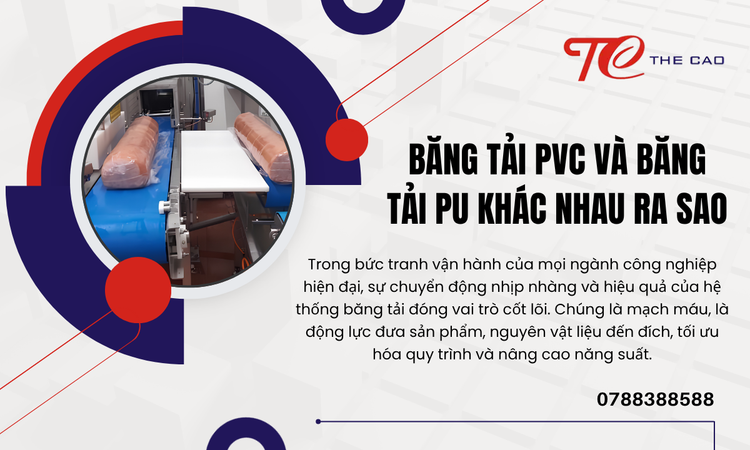
When it comes to versatility and superior load-bearing capacity, PVC Conveyor Belts are always the top priority. Constructed from high-quality Polyvinyl Chloride (PVC), these belts boast incredible durability and can withstand various harsh environmental conditions. From food processing plants requiring strict hygiene standards, electronics assembly areas demanding high precision, to mining industries needing abrasion resistance, PVC Conveyor Belts prove their indispensable role.
Key Advantages of PVC Conveyor Belts:
- Excellent Load-Bearing Capacity: The PVC layer has high tensile strength, allowing the belt to transport heavy materials without stretching or breaking.
- Resistance to Chemicals and Oils: PVC is resistant to corrosion from various industrial chemicals and oils, making it suitable for chemical and mechanical production industries.
- Easy Cleaning and Maintenance: The PVC surface is non-stick and easy to clean, ensuring hygiene standards, which is particularly important in the food and pharmaceutical industries.
- Design Flexibility: PVC conveyor belts can be manufactured in various colors (white, green, black, gray...), thicknesses, and surface textures (smooth, rough, cleated, with flights) to meet specific transport requirements.
- Affordable Price: Compared to many other materials, PVC offers high economic efficiency, making it an optimal choice for businesses seeking quality conveyor systems at a reasonable cost.
Common Applications of PVC Conveyor Belts:
Their flexibility and durability have made PVC Conveyor Belts a leading choice in numerous fields:
- Food and Beverage Industry: Transporting and packaging products, requiring food safety and hygiene.
- Light Industry: Assembling electronic components, packaging goods, and transporting products in production lines.
- Logistics and Warehousing: Sorting and transporting goods in distribution centers.
- Mining and Construction Materials Industry: Transporting sand, gravel, cement, coal, etc.
- Agriculture: Transporting agricultural products and fertilizers.
PU Conveyor Belts: The Standard for Hygiene and Precision
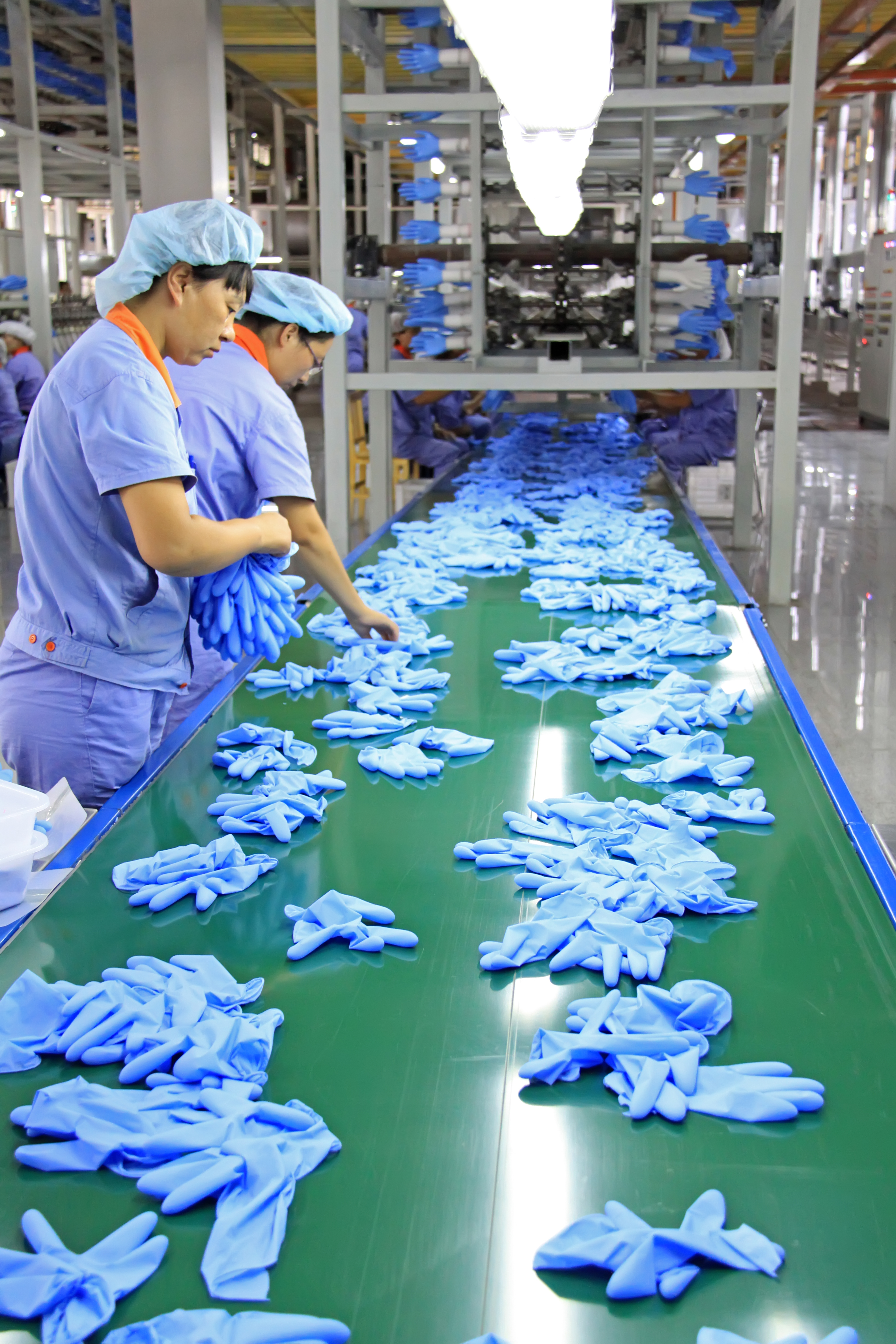
When hygiene, safety, and precision are paramount, PU Conveyor Belts emerge as a superior solution. Made from Polyurethane (PU) – a high-performance polymer, PU belts offer advanced technical properties, meeting the most stringent demands of modern industries.
Outstanding Strengths of PU Conveyor Belts:
- High Hygiene Standards: PU is a safe, non-toxic material that does not leach harmful substances, complying with FDA and EU food safety standards. The PU surface is very smooth, with no crevices, minimizing the growth of bacteria and mold, making it ideal for the food and pharmaceutical industries.
- Excellent Abrasion and Cut Resistance: PU has superior hardness and elasticity, resisting abrasion from sharp objects and impact, extending the belt's lifespan in demanding work environments.
- Resistance to High/Low Temperatures: Many PU conveyor belts can operate stably over a wide temperature range, from -20°C to +80°C, and even higher depending on the PU formulation.
- Resistance to Oils, Greases, and Many Chemicals: Similar to PVC, PU also offers good resistance to oils, greases, and certain chemicals, often outperforming PVC in specific environments.
- Diverse Surface Options: PU can create various surface types, from ultra-smooth and non-stick to specially patterned surfaces for enhanced anti-slip properties or product positioning.
- High Tensile Strength: Despite its seemingly soft texture, PU has very high tensile strength, ensuring stable operation.
Typical Applications of PU Conveyor Belts:
Thanks to their superior hygiene and durability, PU Conveyor Belts are commonly trusted in environments with strict requirements:
- Processed Food Industry: Transporting meat, fish, vegetables, fruits, confectionery, dairy products, etc.
- Pharmaceutical Industry: Transporting medicines, capsules, and medical devices.
- Clean Industry: Cleanrooms, electronic chip manufacturing, LCD screens.
- Packaging Industry: Transporting products requiring high precision and hygiene.
- Industries with Mild Chemicals or Anti-static Requirements.
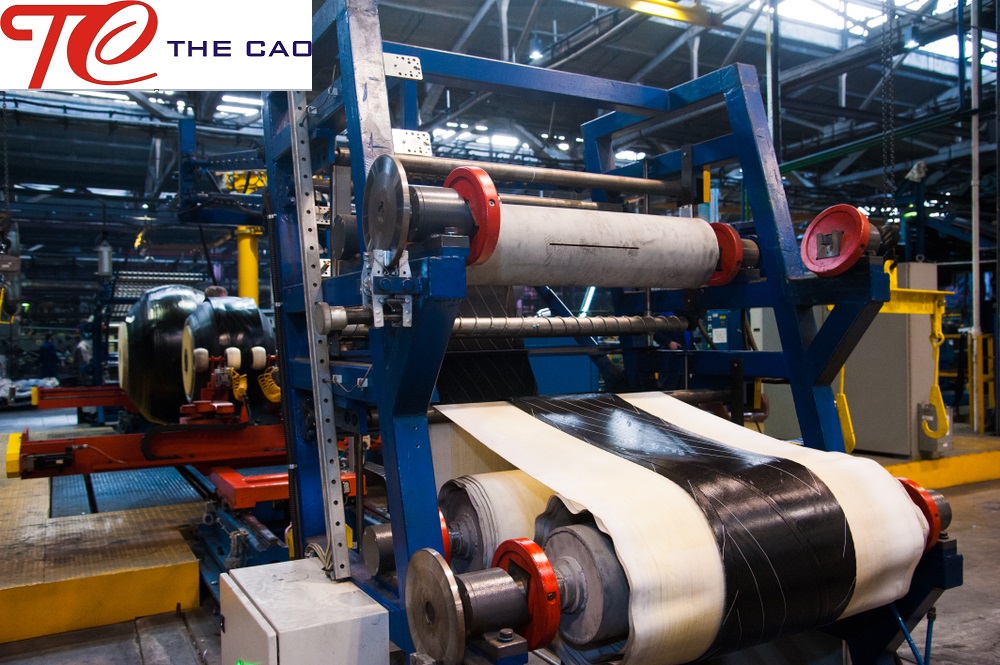
The Core Difference: A Summary Comparison Table
For a clear overview, let's examine the main differences between these two types of conveyor belts:
| Criterion | PVC Conveyor Belt | PU Conveyor Belt |
|---|---|---|
| Main Material | Polyvinyl Chloride (PVC) | Polyurethane (PU) |
| Hygiene Standard | Good, suitable for many industries. | Very high, FDA, EU standards, ideal for food/pharmaceuticals. |
| Abrasion Resistance | Good | Excellent |
| Oil/Chemical Resistance | Good | Very good, superior in some chemical environments. |
| Tensile Strength | High | Very High |
| Temperature Resistance | Medium to Good | Good to Very Good, wider temperature range. |
| Price | Reasonable, competitive | Higher than PVC |
| Typical Applications | Food, electronics, logistics, mining. | Processed food, pharmaceuticals, clean industries. |
Which Option is Right for Your Business?
The choice between PVC Conveyor Belts and PU Conveyor Belts entirely depends on the specific requirements of your production process, operating environment, and budget.
If you are looking for an efficient, durable, versatile, and cost-effective conveyor solution for industries such as logistics, electronics assembly, or general food production, then PVC Conveyor Belts are an excellent choice. They offer a perfect balance between performance and value.
However, if your business operates in sectors that demand the highest hygiene standards, such as deep food processing, pharmaceutical manufacturing, or in environments with high abrasion or chemical risks where precision and safety are paramount, then PU Conveyor Belts are the answer. Although they have a higher initial cost, the long-term benefits, regulatory compliance, and superior performance they provide will be a worthwhile investment.
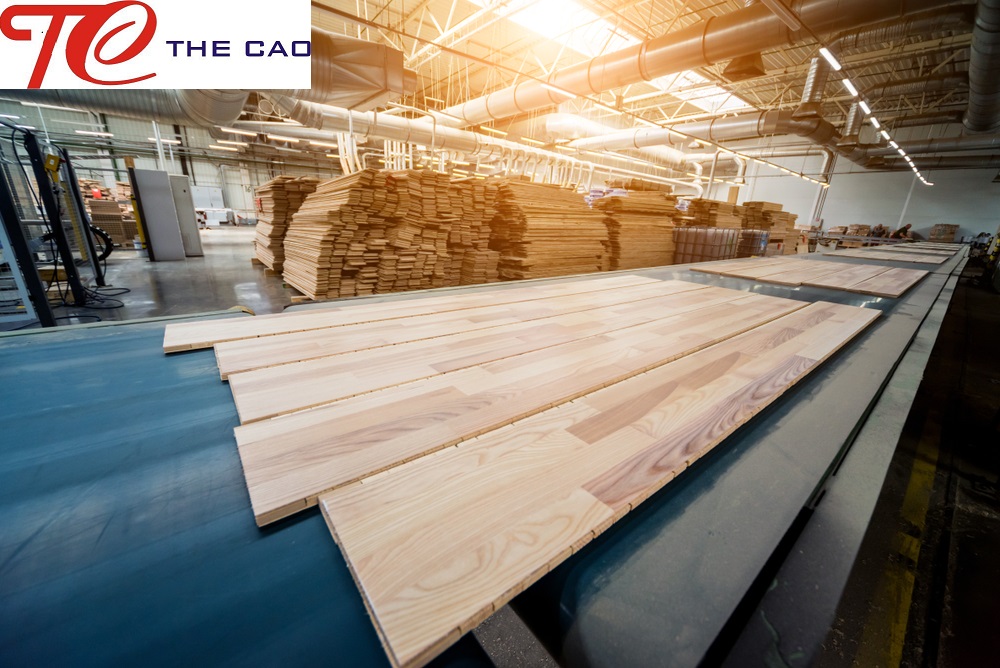
In addition to these two main product lines, at THẾ CAO, we also proudly offer a diverse range of other conveyor solutions such as plastic modular belts, PU timing belts, conveyor belt fasteners, and heat-resistant conveyor belts, designed to meet every complex need of our customers.
THẾ CAO - Partnering for Your Growth
Understanding the critical role of conveyor systems in efficient business operations, THẾ CAO is committed to providing the highest quality products and dedicated consulting services. We not only supply PVC Conveyor Belts, PU Conveyor Belts, plastic modular belts, PU timing belts, conveyor belt fasteners, and heat-resistant conveyor belts, but we also partner with our customers in selecting, installing, and maintaining the most optimal conveyor systems.
Let THẾ CAO be your trusted partner in building robust, efficient, and sustainable production lines for your business. Contact us today for professional consultation and the most innovative conveyor solutions.
CONTACT INFORMATION:
THE CAO
Address: 362/109 HT13 Street, Quarter 7, Tan Thoi Hiep Ward, Ho Chi Minh City
Hotline: 0788388588
Phone: 0788388588
Email: phongkinhdoanh@thecaovn.com
Website: https://thecaovn.com/