

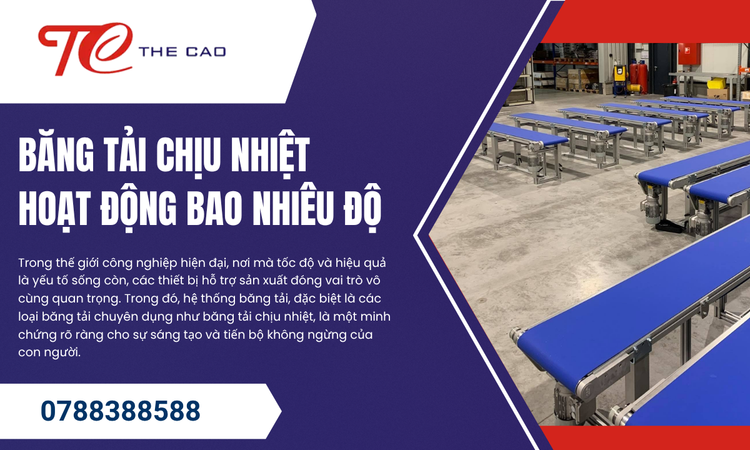
In the constantly moving industrial world, where every second is crucial to production efficiency, selecting and operating optimal equipment is a matter of survival. Especially in harsh working environments where high temperatures are a constant threat, heat-resistant conveyor belts are not just a machine component, but also a testament to durability and the ability to overcome limitations. This article will delve deeper into the operational capabilities of heat-resistant conveyor belts, thereby affirming their irreplaceable role in modern production lines.
Heat-Resistant Conveyor Belts: Concept and Importance
In the field of machine design and industrial production line installation, the advent of high-temperature resistant materials has opened new horizons. Heat-resistant conveyor belts are one of the exemplary products, specially designed to operate effectively in environments with temperatures exceeding the tolerance of conventional conveyor belts. They play a crucial role in transporting hot materials, semi-finished products, or products in production processes that require high temperatures, such as the food industry (baking, drying), metallurgy, cement and ceramics production, or chemical processing plants.
The core difference of heat-resistant conveyor belts lies in their construction materials. Instead of using ordinary PVC or PU plastics, they are typically made from specialized materials such as EPDM rubber, heat-resistant rubber, or other high-performance polymers that are resistant to aging, deformation, and maintain elasticity under high temperatures. This not only ensures the longevity of the conveyor belt but also contributes to maintaining the stability and safety of the entire production system.
How Many Degrees Can Heat-Resistant Conveyor Belts Operate At? – The Expert Answer
This is a question that many businesses consider when choosing a transport solution for their production lines. In reality, there is no single fixed temperature value applicable to all types of heat-resistant conveyor belts. The heat resistance of a conveyor belt depends heavily on the material type, design structure, and manufacturing standards of the supplier. However, they can be classified and common operating temperature ranges can be provided as follows:
Standard Heat-Resistant Rubber Conveyor Belts
These conveyor belts are typically made from EPDM rubber or similar synthetic rubber compounds. They can withstand temperatures from approximately 60°C to 120°C during continuous operation.
Typical applications: Transporting products that have undergone drying or light baking processes, or materials at initial room temperature that may slightly increase during transport.
High-Performance Heat-Resistant Rubber Conveyor Belts
For applications requiring higher temperatures, conveyor belts made from specialized rubber types with better heat resistance are preferred. This type of conveyor belt can operate stably in the temperature range of 120°C to 180°C, and can even reach up to 200°C for short periods.
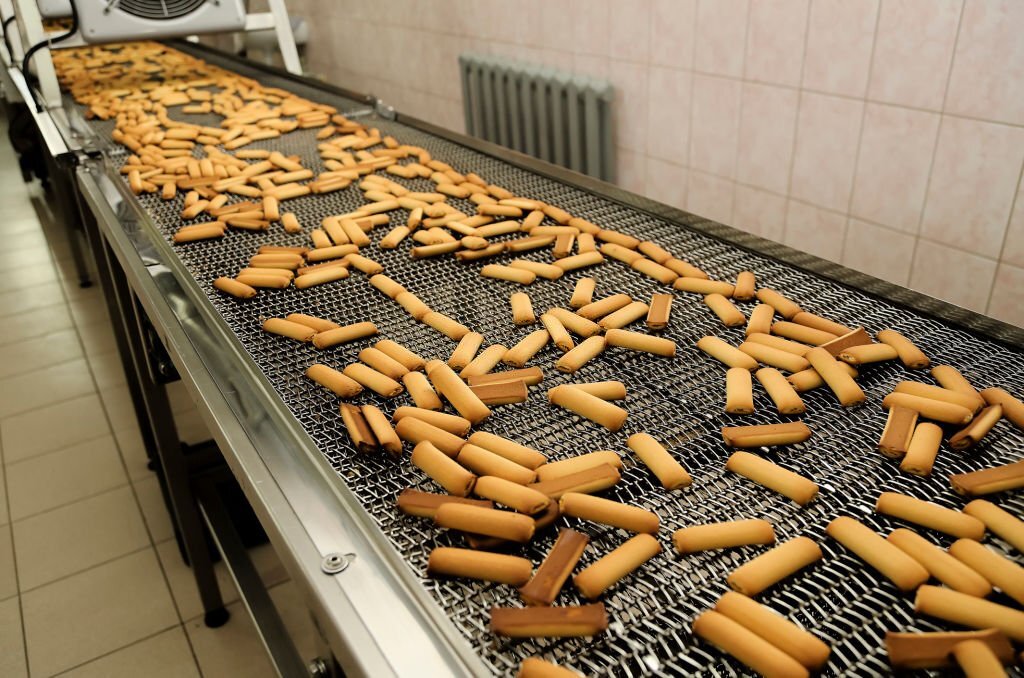
Typical applications: Food industry (transporting hot cakes, candies, foods after frying), tire and rubber manufacturing industry, or building material production processes.
Very High Temperature-Resistant Conveyor Belts (Silicone Conveyor Belts, Teflon Conveyor Belts)
These are optimal solutions for extreme working environments. Conveyor belts made from silicone material or coated with Teflon (PTFE) can withstand temperatures from 200°C to 260°C, or even higher for special materials.
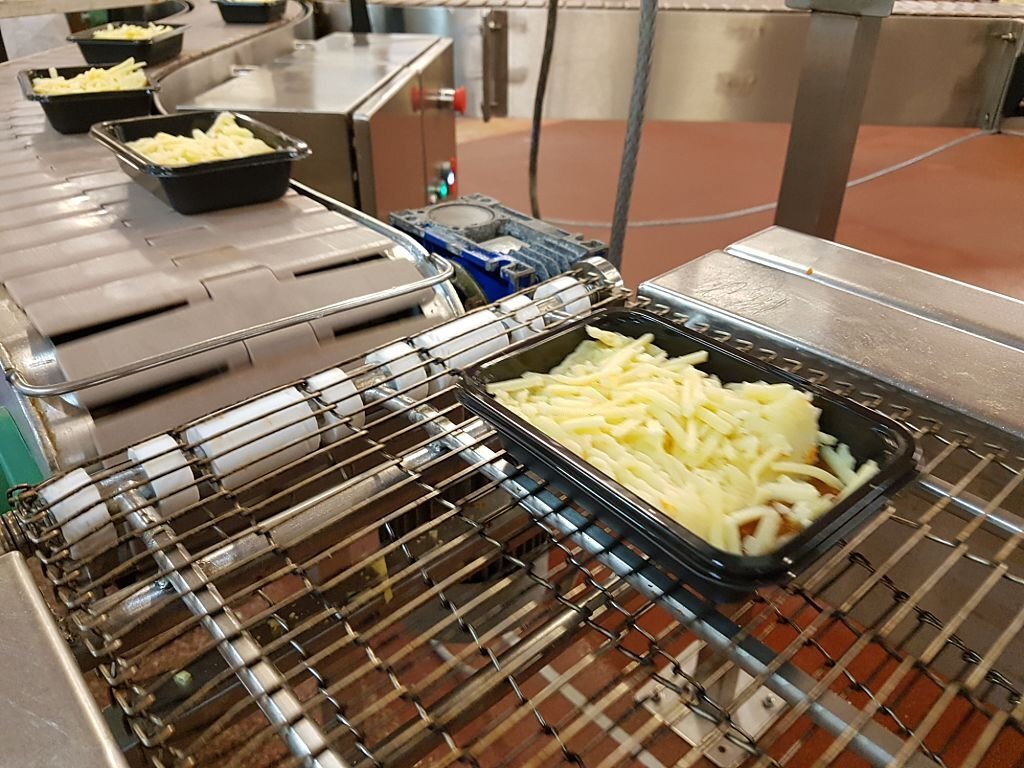
Typical applications: Ceramics, metallurgy, chemical industry production lines, or processes requiring direct contact with extremely high temperatures.
Important Notes:
The temperature figures above are for reference only. The maximum operating temperature of a specific type of heat-resistant conveyor belt also depends on:
- Duration of heat exposure: Conveyor belts can withstand higher temperatures for short periods (e.g., passing through a heating zone) compared to continuous operation at that temperature.
- Type of transported material: Some materials can radiate more heat, affecting the conveyor belt's lifespan.
- Ambient environment: Humidity and chemicals can affect heat resistance performance.
- Maintenance status: A well-maintained conveyor belt will maintain higher heat resistance capabilities.
Why Choose the Right Heat-Resistant Conveyor Belt?
Selecting the correct type of heat-resistant conveyor belt not only ensures the operational efficiency of the production line but also brings practical benefits:
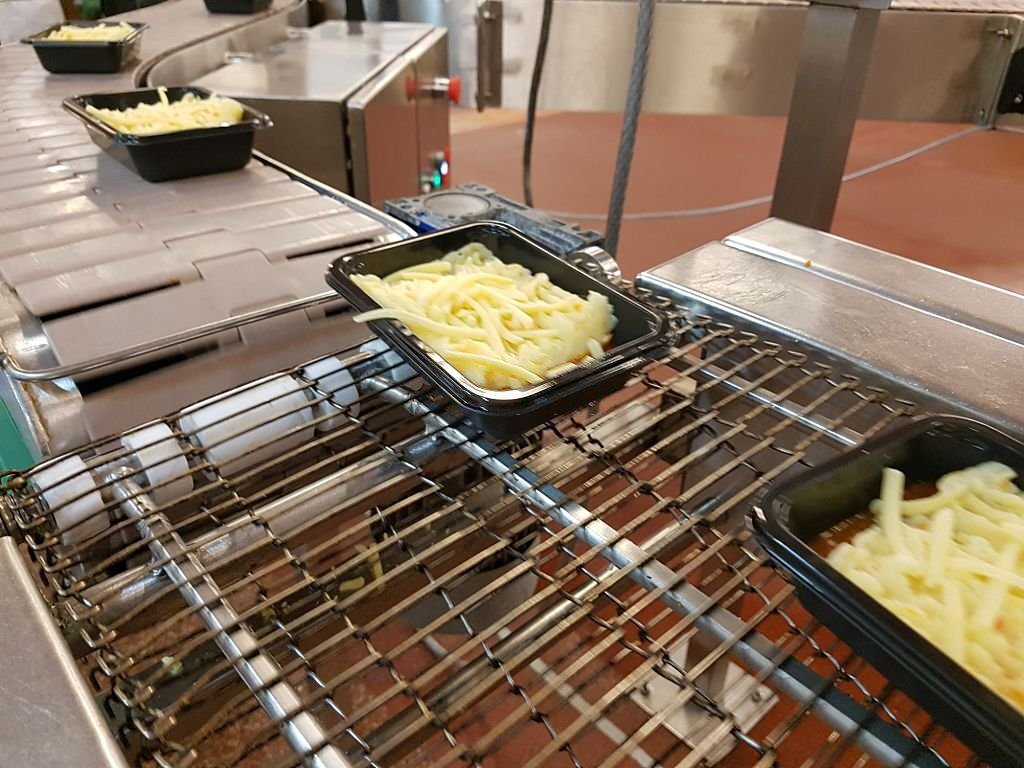
- Increased equipment lifespan: Prevents the conveyor belt from melting, deforming, or cracking due to overheating, thereby extending its service life and reducing replacement costs.
- Ensured product quality: Prevents products from being negatively affected by uncontrolled temperatures during transportation.
- Workplace safety: Minimizes the risk of fire, explosion, or equipment damage that could endanger operators.
- Optimized costs: Reduces unplanned downtime, repair costs, and component replacement expenses.
In addition to heat-resistant conveyor belts, The Cao also offers a diverse range of other conveyor belts such as PVC conveyor belts, PU conveyor belts, plastic modular belts, PU timing belts, and belt fasteners, meeting all customer needs in the manufacturing industry.
The Cao – Partnering for Business Growth
With extensive experience in machine design and industrial production line installation, The Cao is proud to be a provider of high-quality, durable, and cost-effective conveyor solutions. We understand that every production line is a continuously operating "heart," and our mission is to equip that heart with the best components.
The Cao's team of engineers and specialists is always ready to listen, advise, and provide the most suitable solutions for each customer's specific requirements. From heat-resistant conveyor belts capable of operating at the highest temperature thresholds, to PVC conveyor belts, PU conveyor belts, plastic modular belts, PU timing belts, and belt fasteners, we are committed to delivering products that meet international standards, along with attentive after-sales service.
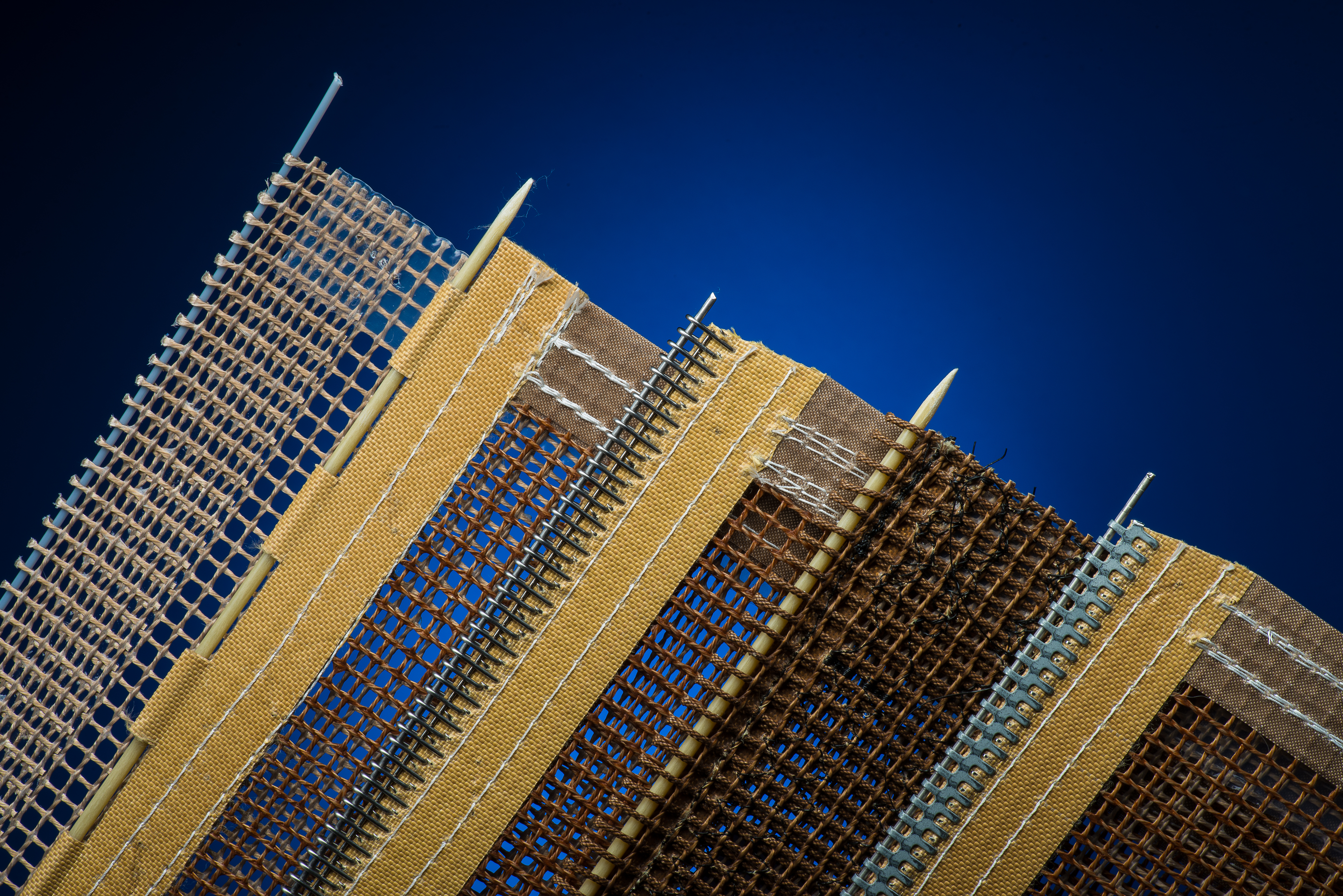
Don't let high temperatures become a barrier to your business's growth. Let The Cao be your partner, providing the most effective, sustainable, and safe heat-resistant conveyor belt solutions.
Contact Information
THE CAO
Address: 362/109 HT13 Street, Quarter 7, Tan Thoi Hiep Ward, Ho Chi Minh City
Hotline: 0788388588
Phone: 0788388588
Email: phongkinhdoanh@thecaovn.com
Website: https://thecaobelt.com/