

In the non-stop world of modern industries, hidden within complex machinery, lies the silent heart that drives movement: Drive Belts. More than just simple strips of material, they are silent engineers, ensuring every process runs smoothly, efficiently, and provides a perfect connection between components. The diversity of drive belt types not only reflects continuous innovation in engineering but also highlights their undeniable importance in creating top-tier production lines.
Drive Belts: The Heartbeat of Operation
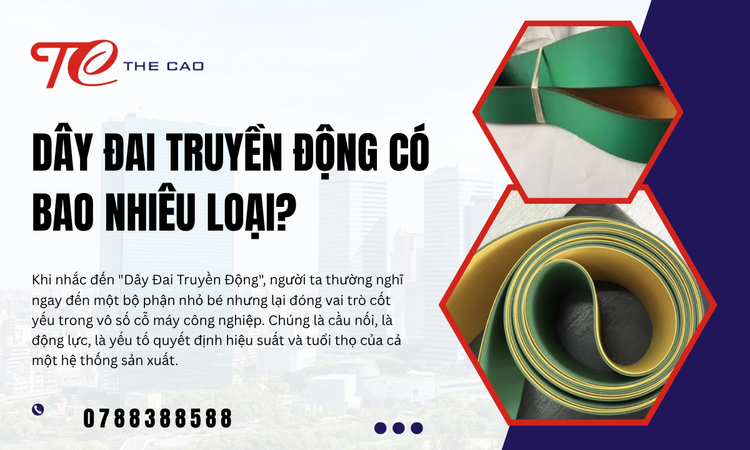
When "Drive Belts" are mentioned, people often think of a small component that plays a crucial role in countless industrial machines. They are the connection, the driving force, and the factor that determines the efficiency and lifespan of an entire production system. From food and pharmaceutical manufacturing plants to mechanical, electronic workshops, and even in transportation, drive belts are always present, silently performing their tasks. Understanding the different types of drive belts will provide deeper insights into precision mechanics and how they shape the modern manufacturing world.
Flat Belts: Simplicity Creates Strength
Flat belts, with their simple structure and smooth surface, are among the most common types of drive belts. They are typically made from rubber, leather, or synthetic fabrics. The prominent advantages of flat belts include high-speed power transmission, low noise, and ease of installation. However, they can slip if the load is too high or the operating environment is humid.
In industrial applications, flat belts are often used in machinery requiring moderate precision, such as compressors, pumps, or light conveyor systems.
Timing Belts (Toothed Belts): Superior Precision
Unlike flat belts, timing belts are designed with grooves or teeth on the inner surface. This structure allows them to mesh perfectly with sprockets that have corresponding grooves, completely eliminating slippage. This provides accurate power transmission in terms of rotation angle and speed, which is extremely important in applications requiring high synchronization.
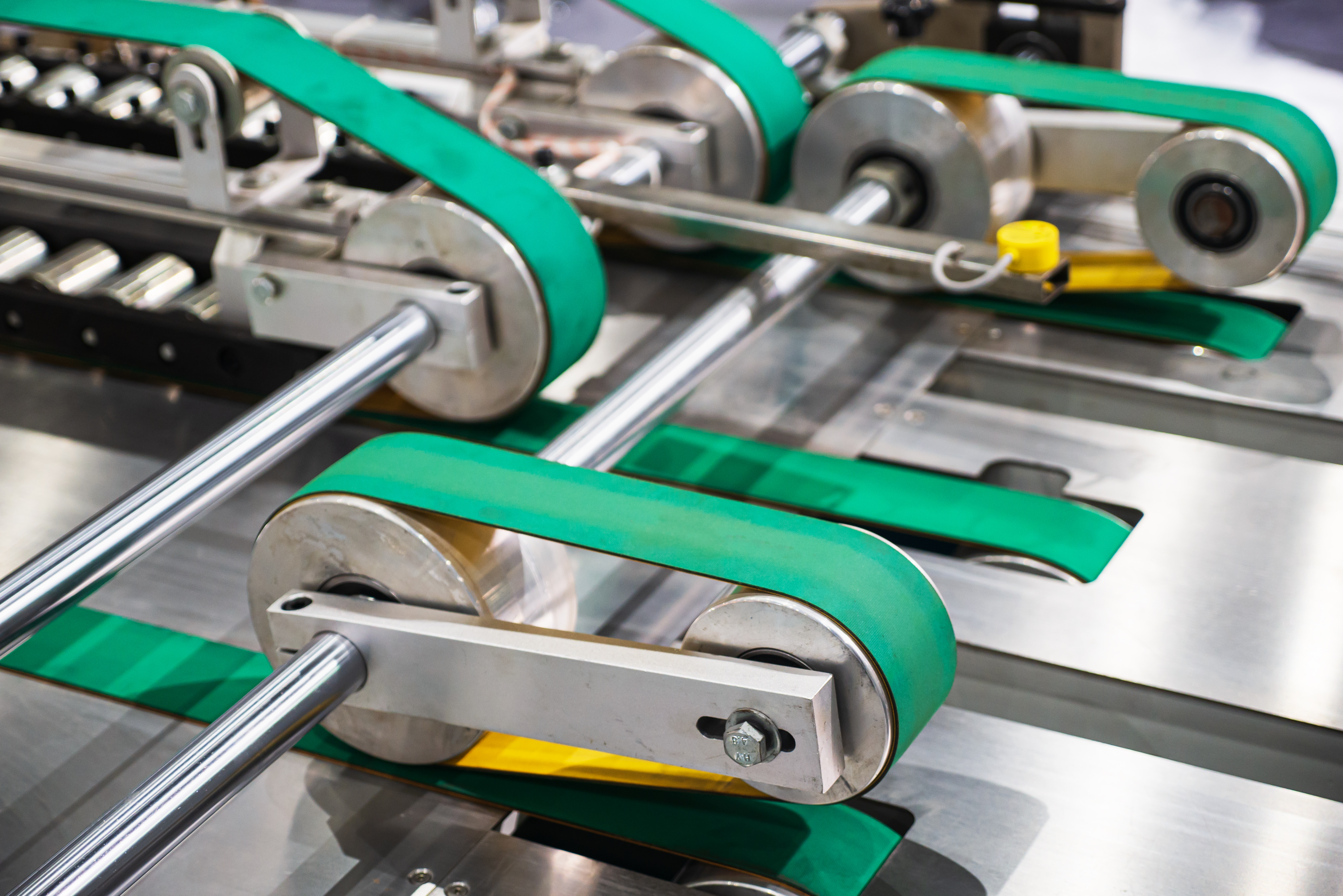
Timing belts are usually made from rubber reinforced with fiberglass or steel cords, ensuring durability and load-bearing capacity. They are the ideal choice for control systems, CNC machine tools, printing equipment, and especially for production lines requiring absolute precision in timing and positioning.
Products like PU timing belts from The Cao are clear examples of advancements in timing belt technology, offering efficient and durable power transmission solutions for various industries.
V-Belts: Power Beyond Load Capacity
V-belts, also known as trapezoidal belts, have a trapezoidal cross-section and are designed to operate in V-shaped grooves on pulleys. The operating principle of V-belts relies on the friction between the inclined sides of the belt and the pulley groove. This structure allows them to transmit a significantly larger torque than flat belts of the same size, while minimizing slippage.
V-belts are a popular choice in heavy-duty industrial applications where high load capacity and stability are required. They are found in automobile engines, industrial air compressors, agricultural machinery, and production equipment demanding high power output.
Multi-Rib Belts (Poly-V Belts): The Perfect Blend of Performance and Flexibility
Multi-rib belts, also known as Poly-V belts, are a significant evolution from V-belts. They feature multiple small longitudinal ribs running parallel on the surface, increasing the contact area with the pulley and distributing the power transmission more evenly. This results in high transmission efficiency, good load-bearing capacity, and notably, smooth and low-vibration operation.
Multi-rib belts are increasingly favored in modern industries, especially in automotive applications and industrial machinery requiring high performance, energy efficiency, and stable operation. They can replace multiple different belts on the same system, offering flexibility and optimizing space.
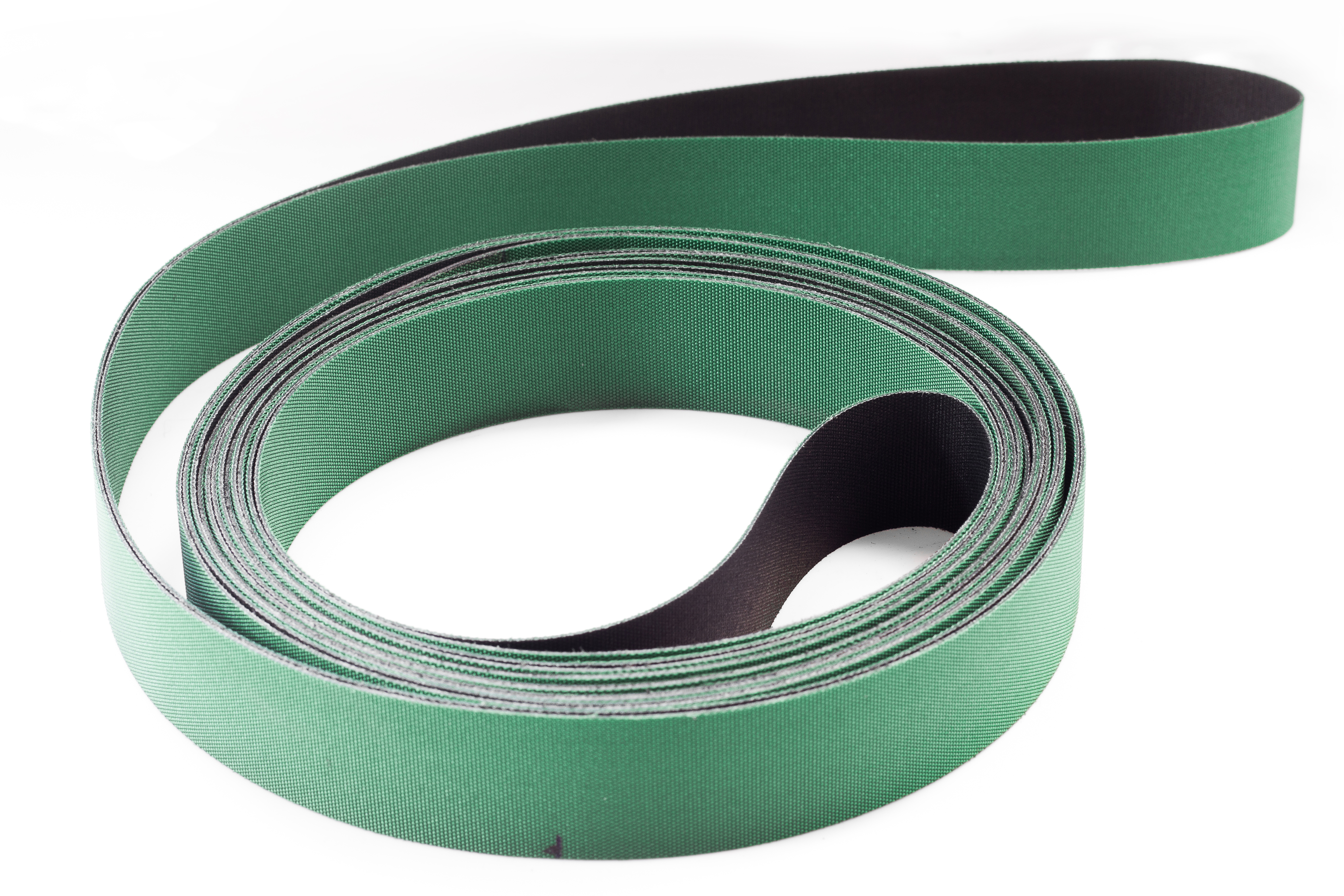
PVC and PU Conveyor Belts: Optimal Transport Solutions
In the field of machine design and production line installation, PVC conveyor belts and PU conveyor belts play an indispensable role in transporting raw materials, semi-finished goods, and finished products. While not traditional drive belts, they are "conveyor belts" in their own right, carrying the mission of connecting different stages in a production process.
PVC conveyor belts are commonly used in dry environments, requiring abrasion resistance and cost-effectiveness. Conversely, PU conveyor belts, with their oil resistance, chemical resistance, and better heat resistance, are the superior choice for the food and pharmaceutical industries, and other harsher environments.
The variety in thickness, color, and surface structure of PVC and PU conveyor belts allows them to meet all customer requirements, from simple to complex production lines. Choosing the right type of conveyor belt will determine the operational efficiency and lifespan of the entire system.
Heat-Resistant Conveyor Belts: Overcoming High-Temperature Challenges
In industries such as metallurgy, ceramics, glass production, or drying processes, high temperatures are unavoidable. To cope with this challenge, heat-resistant conveyor belts have been developed. They are made from special materials capable of withstanding temperatures up to hundreds of degrees Celsius while maintaining their durability and conveying efficiency.
Using heat-resistant conveyor belts not only ensures safety but also helps maintain stable production speeds, prevents material damage due to high temperatures, and extends the lifespan of the conveyor system.
Plastic Chain Conveyor Belts: Durability and Excellent Load Capacity
Unlike soft conveyor belts, plastic chain conveyor belts consist of interlocking plastic modules that form a rigid surface. This structure offers superior durability, high load-bearing capacity, and resistance to corrosion, making them suitable for applications transporting heavy or sharp objects, or in chemical environments.
Plastic chain conveyor belts are commonly used in the automotive industry (assembly, painting), tire manufacturing, and material processing plants. They can also form curved shapes, allowing for more flexible production line designs.
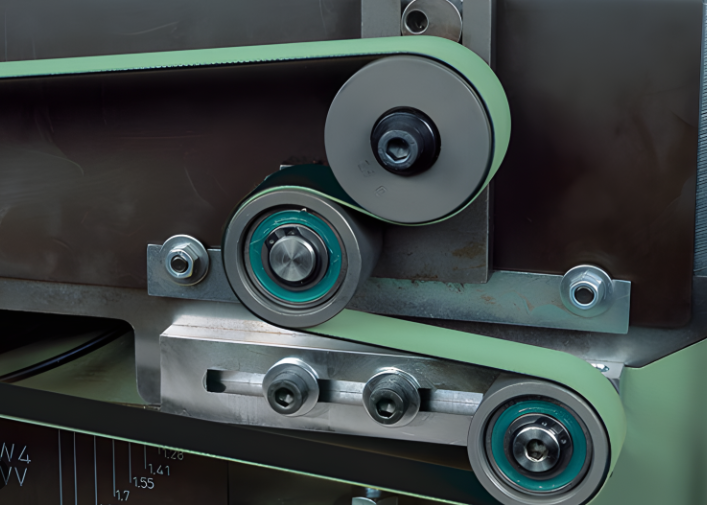
Conveyor Belt Fasteners: Reliable Connection Solutions
During the installation and maintenance of conveyor belts, conveyor belt fasteners play a crucial role in joining belt sections together. They ensure the continuity and seamlessness of the belt surface, enabling efficient and safe power transmission.
Choosing the right conveyor belt fastener that matches the belt's material and load capacity is key to ensuring the lifespan and operational efficiency of the system. Common types of fasteners include mechanical fasteners, adhesive fasteners, or clamp-style fasteners.
Smart Choices for Drive Belts
The world of drive belts is a colorful tapestry, each type with its own story and distinct characteristics. From the simplicity of flat belts, the precision of timing belts, the power of V-belts, the flexibility of multi-rib belts, to the transport capabilities of PVC and PU conveyor belts, heat-resistant conveyor belts, plastic chain conveyor belts, and the reliable connection of conveyor belt fasteners. All contribute to the smooth, efficient, and sustainable operation of industrial production lines.
Selecting the right type of drive belt and accompanying products like PVC conveyor belts, PU conveyor belts, plastic chain conveyor belts, PU timing belts, conveyor belt fasteners, or heat-resistant conveyor belts, is not just a technical decision but a smart investment strategy. It directly impacts productivity, operating costs, and a company's competitiveness in the market.
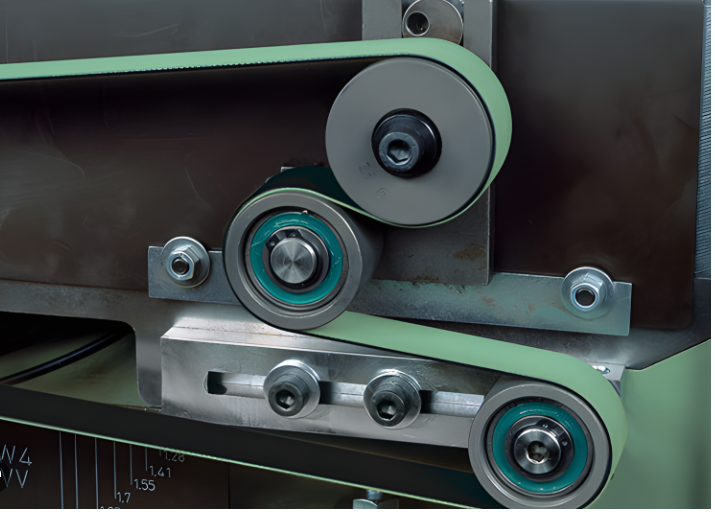
At The Cao, we deeply understand the importance of every small detail in your production system. With extensive experience and expertise in machine design and industrial production line installation, we are committed to providing the most optimal solutions, from supplying high-quality products such as PVC conveyor belts, PU conveyor belts, plastic chain conveyor belts, PU timing belts, conveyor belt fasteners, heat-resistant conveyor belts, to professional consultation and technical support. Let The Cao be your partner on the journey to create superior production lines.
CONTACT INFORMATION:
THE CAO
Address: 362/109 HT13 Street, Quarter 7, Tan Thoi Hiep Ward, Ho Chi Minh City
Hotline: 0788388588
Phone: 0788388588
Email: phongkinhdoanh@thecaovn.com
Website: https://thecaobelt.com/