

In the rhythm of modern industrial life, every factory operates like a heart, where smooth and efficient operation is the key to success. And behind that synchronicity, the indispensable role of conveyor belt systems cannot be overlooked. Choosing the right type of conveyor belt not only optimizes the production process but also serves as a powerful lever, helping businesses break through and assert their market position. This article will explore with you the important factors to find the ideal "companion" for your factory.
The Importance of Industrial Conveyor Belts in Factory Operations
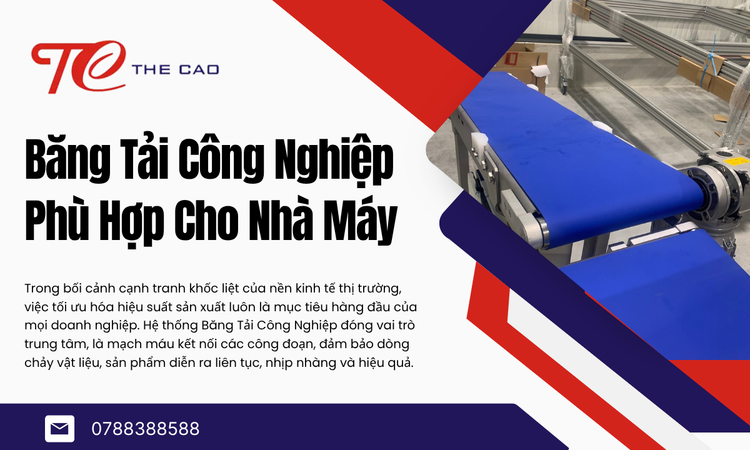
In the context of the fiercely competitive market economy, optimizing production efficiency is always the top priority for every business. The Industrial Conveyor Belt system plays a central role, acting as the lifeblood connecting different stages, ensuring the continuous, synchronized, and efficient flow of materials and products. A properly designed and installed conveyor belt system can bring outstanding benefits:
- Increased Productivity: Automating the transportation process reduces downtime, speeds up production, thereby increasing output.
- Reduced Labor Costs: Minimizes reliance on manual labor, reduces errors and workplace accidents, saving on training and management costs.
- Improved Workplace Safety: Eliminates heavy and hazardous lifting tasks, creating a safer and more professional working environment.
- Enhanced Product Quality: Transports products gently and stably, preventing impacts and scratches, preserving their original condition.
- Optimized Space: Flexible design maximizes factory floor space, creates clear pathways, and enables more scientific production layout.
Factors to Consider When Choosing Industrial Conveyor Belts
Selecting the right conveyor belt requires careful consideration based on the specific characteristics of each factory and production process. Here are the key points you need to consider:
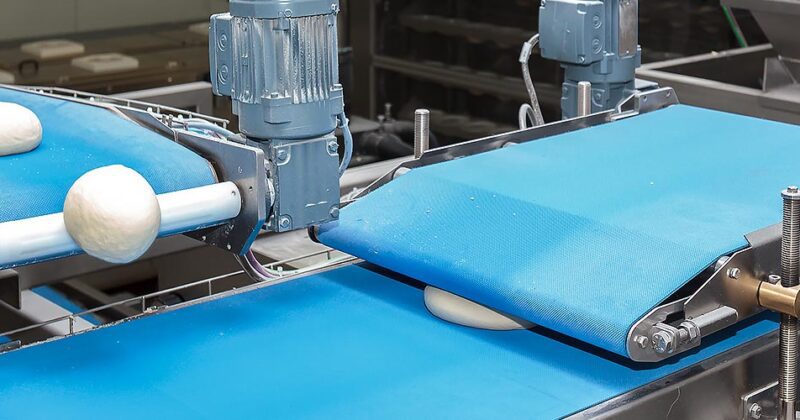
Type of Material to Transport
This is the most crucial factor. Each type of material has different characteristics (size, weight, shape, surface texture, temperature, corrosiveness, etc.) that require a corresponding type of conveyor belt and belt material to ensure efficiency and durability.
- Heavy, sharp goods: Require conveyor belts with high load-bearing capacity, cut resistance, and high wear resistance, such as plastic modular belts or specialized rubber conveyor belts.
- Food and pharmaceutical products: Require safe, easy-to-clean, and antibacterial materials, typically PU or PVC belts compliant with FDA standards.
- Bulk materials, granular materials: Trough conveyor belts can be used to increase carrying capacity, or grid belts for drainage and ventilation.
- Products needing to be moved at high temperatures: Require specialized heat-resistant conveyor belts.
Operating Environment
What are the operating conditions of your factory? Is the environment oily, chemical, highly humid, extreme temperature, or dusty? These factors will affect the lifespan and performance of the conveyor belt.
- Chemical environment: Requires chemical-resistant conveyor belts such as specially formulated PU or PVC belts.
- Oily environment: PU belts generally have better oil resistance than standard PVC belts.
- High-temperature environment: Requires heat-resistant conveyor belts made from materials capable of resisting deformation and degradation at high temperatures.
- Humid environment: Requires water-resistant conveyor belts and rust-resistant metal components.
Speed and Load Capacity Requirements
The required transport speed and the volume of material the conveyor belt must handle per hour will determine the structure, motor, and material of the conveyor belt.
- High speed: Requires a robust drive system and a conveyor belt with good tensile strength.
- High load capacity: Requires a sturdy frame, load-bearing rollers, and conveyor belt material capable of handling heavy loads.
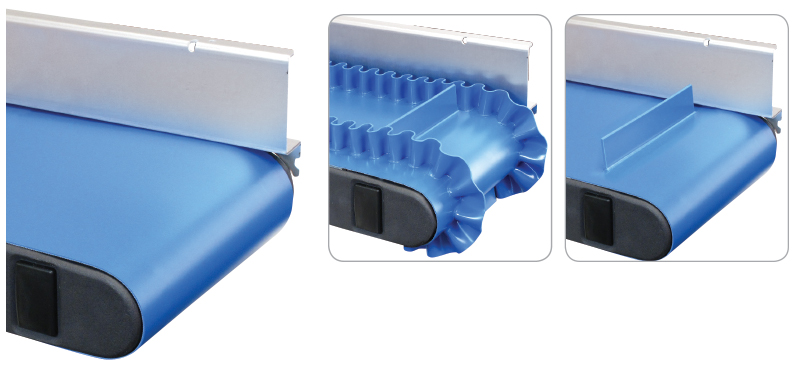
Size and Structural Requirements
The width, length, height, inclination angle (if any), and overall structure of the conveyor belt system need to be designed to fit the factory layout and production process.
- Limited space: Consider curved conveyor belts, screw conveyors, or inclined conveyors with discharge mechanisms.
- Need for flexibility: Modular conveyor belts or quick-connect conveyor belts are convenient for reconfiguring the system.
Hygiene and Safety Factors
Especially important for the food, pharmaceutical, and electronics industries. Conveyor belts must be easy to clean, prevent dust accumulation, and have safety features such as emergency stop buttons and protective guards.
Cost and Durability
It is necessary to balance initial investment costs with lifespan and maintenance costs during use. A cheap conveyor belt that breaks down quickly can lead to higher repair and replacement costs in the long run.
Popular Conveyor Belt Types and Applications
Thegioibangtai offers a diverse range of industrial conveyor belt solutions to meet all production needs:
PVC Conveyor Belts
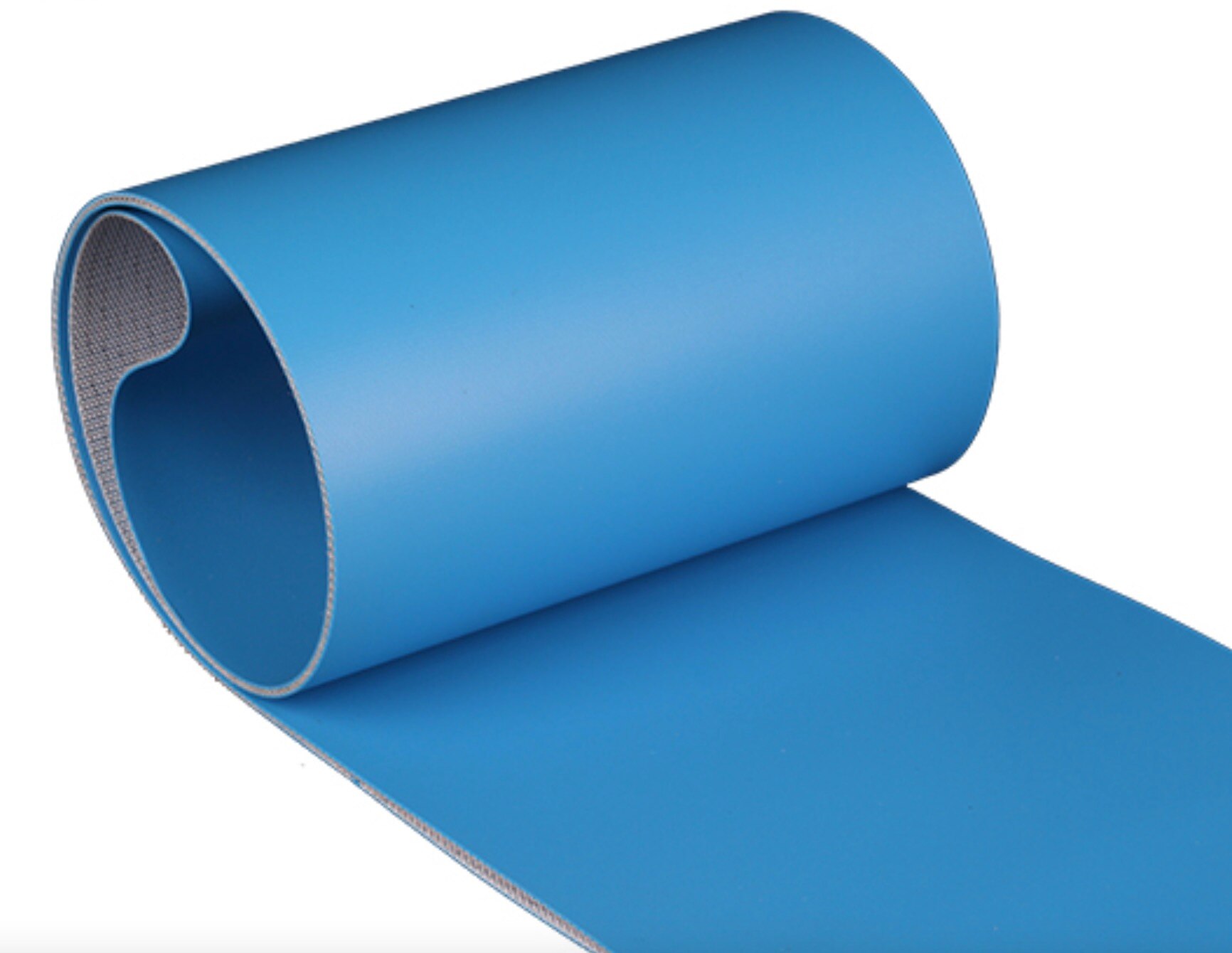
The most common type, with wear resistance, light oil resistance, and chemical resistance, suitable for many industries such as food, electronics assembly, packaging, and light goods transport.
PU Conveyor Belts
Polyurethane (PU) material has high elasticity, good oil and chemical resistance, excellent wear resistance, and is mold-resistant. Particularly suitable for the food, beverage, and pharmaceutical industries that require high hygiene standards.
Plastic Modular Conveyor Belts
Constructed from interlocking plastic modules, they offer high load capacity, cut resistance, and impact resistance, operating stably in harsh environments. Commonly used in factories producing bottles, beer, beverages, and automobiles.
Timing Belts (PU Timing Belts)
Designed with teeth on the underside, ensuring precise, synchronized, and slip-free transmission. Commonly used in machinery requiring high accuracy and product positioning.
Conveyor Belt Fasteners
Essential accessories for joining the two ends of conveyor belts, ensuring system continuity. Various types of fasteners are available to suit different material types and technical requirements.
Heat-Resistant Conveyor Belts
Manufactured from special materials capable of withstanding high temperatures. Used in industries such as metallurgy, ceramics, glass production, baking, and drying ovens.
Optimal Solutions from Thegioibangtai
At Thegioibangtai, we understand that every factory has its own story, with unique challenges and goals. Our experienced engineers not only provide high-quality conveyor belt products such as Industrial Conveyor Belts, PVC Conveyor Belts, PU Conveyor Belts, plastic modular belts, timing belts, conveyor belt fasteners, and heat-resistant conveyor belts, but also offer comprehensive consulting, design, and installation solutions. We are committed to providing our customers with the most optimal conveyor belt systems to enhance production efficiency, minimize costs, and affirm the professionalism of their businesses.
Contact Us
Do not hesitate to contact Thegioibangtai to receive dedicated consultation and the most suitable conveyor belt solution for your factory:
THE CAO
Address: 362/109 HT13 Street, Quarter 7, Tan Thoi Hiep Ward, Ho Chi Minh City
Hotline: 0788388588
Phone: 0788388588
Email: phongkinhdoanh@thecaovn.com
Website: https://thecaobelt.com/